





Review Contents
Rollator Walker Safety Brakes: Why They Matter
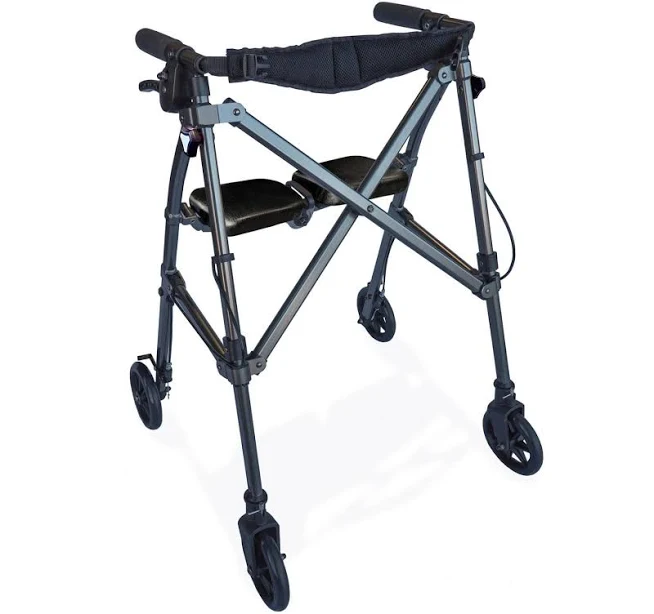
Rollator walkers provide freedom and independence, but their safety depends heavily on one critical feature: the braking system. Whether navigating slopes, stopping suddenly, or sitting down, properly functioning brakes are essential for preventing falls and maintaining control.
Types of Rollator Walker Brakes
Loop Lock Brakes
The most common type, operated by squeezing handles to slow down and pushing down to lock.
Push-Down Brakes
Activated by applying downward pressure, ideal for users with limited hand strength.
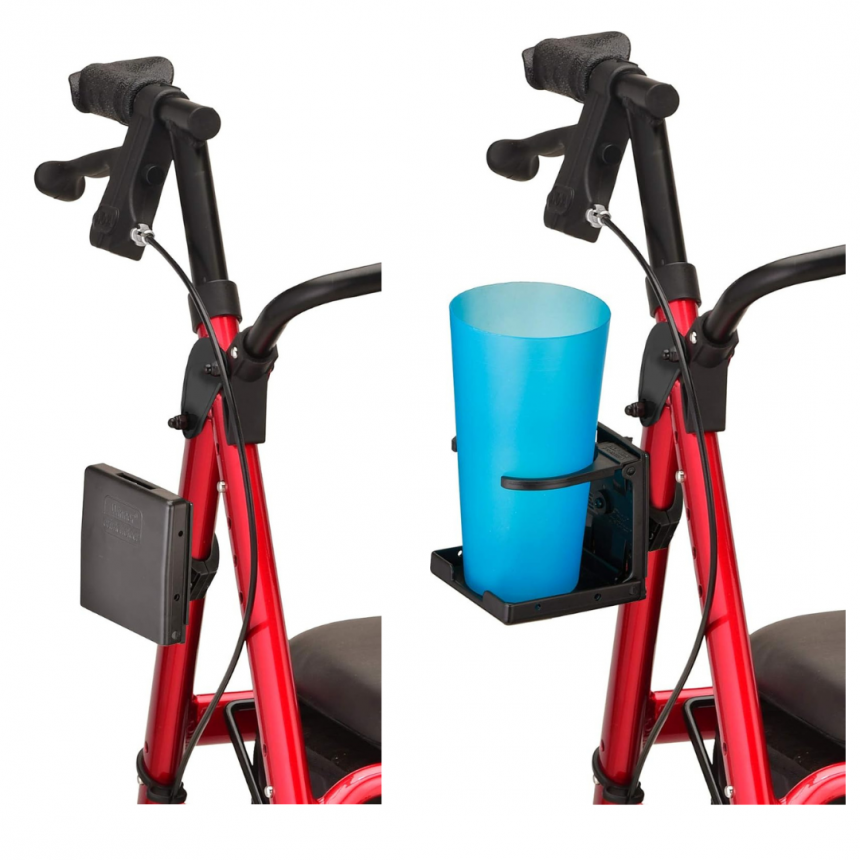
Cable-Activated Brakes
Modern systems similar to bicycle brakes, offering responsive control and adjustability.
How to Use Rollator Brakes Safely
- Always test brakes before use
- Use brakes on slopes
- Lock brakes before sitting
- Avoid sudden stops
How to Adjust Rollator Walker Brakes
- Locate adjustment knob
- Tighten cable gradually
- Test braking response
- Repeat as needed
Final Thoughts
Rollator safety brakes are essential for stability and independence. Regular maintenance and proper use can prevent accidents and ensure a smooth walking experience.