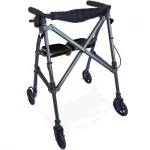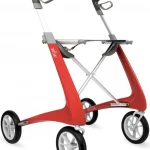


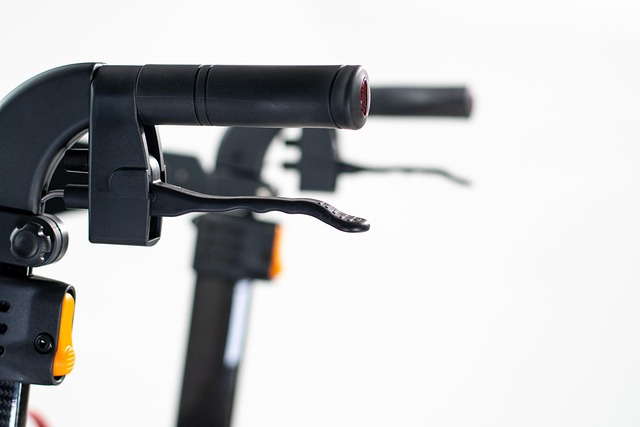

A rollator walker is an important mobility aid that helps many seniors and individuals with limited mobility stay independent and active. Like any piece of equipment used daily, regular maintenance is essential to keep your rollator operating safely and smoothly. Proper care can extend the walker’s lifespan, improve stability, and reduce the risk of accidents.
This rollator walker maintenance guide explains the simple steps you can take to keep your walker in excellent working condition.
1. Check the Brakes Regularly
The braking system is one of the most important safety features of a rollator walker. Over time, brake cables may loosen or wear down.
Maintenance tips:
- Test the brakes before each use.
- Make sure the wheels stop completely when the brakes are engaged.
- Adjust the brake cable if the brakes feel loose or unresponsive.
- Replace worn brake cables if needed.
2. Inspect the Wheels
Rollator walkers typically have four wheels that allow for smooth movement across different surfaces. Dirt, debris, and wear can affect performance.
What to check:
- Look for cracks or excessive wear on the wheels.
- Remove any debris, such as hair or string, wrapped around the axles.
- Make sure wheels rotate smoothly without resistance.
3. Tighten Screws and Bolts
Because rollators are used frequently, screws and bolts can loosen over time.
Maintenance tips:
- Inspect all bolts and screws every few weeks.
- Use the proper tools to tighten any loose hardware.
- Pay special attention to the handle height adjustment mechanism.
4. Clean the Frame
Dirt, dust, and moisture can build up on the frame and moving parts.
Cleaning steps:
- Wipe the frame with a damp cloth and mild soap.
- Dry thoroughly to prevent rust.
- Avoid harsh chemicals that may damage the finish.
5. Check the Seat and Backrest
Many rollators include a padded seat and backrest that allow users to rest during walks.
Maintenance tips:
- Inspect the seat for tears or worn padding.
- Make sure the seat is firmly attached.
- Clean fabric seats with mild soap and water.
6. Lubricate Moving Parts
Lubricating moving parts helps keep the rollator operating smoothly.
Recommended areas:
- Wheel axles
- Folding hinges
- Brake cables
Use a light machine oil or silicone spray sparingly.
7. Inspect the Storage Bag or Basket
Many rollators include a basket or storage pouch.
Check for:
- Tears or loose stitching
- Secure attachment to the frame
- Weight limits being exceeded
8. Perform a Monthly Safety Check
At least once a month, give your rollator a complete inspection.
Quick checklist:
- Brakes functioning properly
- Wheels rolling smoothly
- Handles secure and stable
- Frame free of cracks or damage
- All bolts tightened
If any part appears damaged, stop using the walker until it has been repaired or replaced.
Final Thoughts
Regular maintenance keeps your rollator walker safe, comfortable, and reliable. A few simple checks each month can prevent bigger problems and ensure the walker continues to provide dependable mobility support.
By keeping the brakes adjusted, wheels clean, and frame secure, your rollator will remain a trusted companion for everyday independence.