
The type of wheels on a rollator walker plays a major role in comfort, stability, and performance. Choosing the right wheel type can make walking smoother, safer, and less physically demanding—especially for seniors or anyone with mobility challenges.
This guide breaks down the different rollator walker wheel types and helps you understand which is best for your needs.
1. Small Wheels (6 Inches)
Best for: Indoor use and smooth surfaces
Features:
-
Lightweight and easy to maneuver
-
Ideal for tight spaces like hallways and apartments
-
Lower rolling resistance on smooth floors
Pros:
-
Easy to control
-
Compact and portable
Cons:
-
Not suitable for outdoor terrain
-
Struggle with cracks, bumps, and uneven surfaces
2. Medium Wheels (8 Inches)
Best for: Indoor + light outdoor use
Features:
-
Most common wheel size on rollators
-
Good balance between stability and maneuverability
-
Handles sidewalks and paved paths well
Pros:
-
Versatile for everyday use
-
Smooth ride on most surfaces
Cons:
-
Limited performance on rough terrain
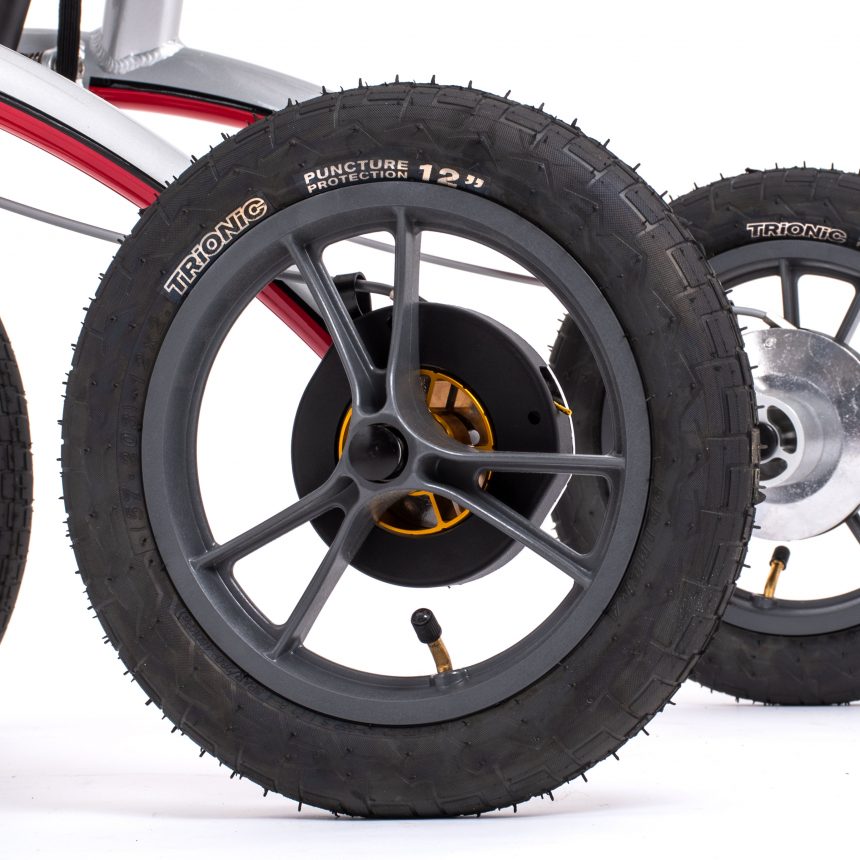
3. Large Wheels (10–12 Inches)
Best for: Outdoor use and uneven terrain
Features:
-
Designed for grass, gravel, and rough surfaces
-
Roll over obstacles more easily
-
Provide a smoother ride outdoors
Pros:
-
Better stability on uneven ground
-
Reduced effort when pushing
Cons:
-
Slightly heavier
-
Less maneuverable indoors
4. Solid (Hard) Wheels
Best for: Durability and low maintenance
Features:
-
Made from hard rubber or plastic
-
Do not require air or inflation
Pros:
-
Puncture-proof
-
Long-lasting
-
No maintenance required
Cons:
-
Less shock absorption
-
Rougher ride on uneven surfaces
5. Pneumatic (Air-Filled) Wheels
Best for: Maximum comfort and outdoor use
Features:
-
Air-filled tires similar to bicycle wheels
-
Provide cushioning and shock absorption
Pros:
-
Smooth, comfortable ride
-
Ideal for rough terrain and long walks
Cons:
-
Require maintenance (air pressure checks)
-
Risk of punctures
6. Foam-Filled Wheels
Best for: Low-maintenance comfort
Features:
-
Filled with foam instead of air
-
Designed to mimic pneumatic wheels
Pros:
-
No risk of flats
-
Better shock absorption than solid wheels
Cons:
-
Slightly heavier than standard wheels
-
Not as soft as air-filled tires
Choosing the Right Wheel Type
For indoor use:
→ Small (6”) solid wheels
For everyday mixed use:
→ Medium (8”) solid or foam-filled wheels
For outdoor terrain:
→ Large (10–12”) pneumatic or foam-filled wheels
For arthritis or joint pain:
→ Larger wheels with shock absorption to reduce vibration
Final Thoughts
Rollator walker wheels directly impact how easy and safe it is to move around. Smaller wheels work well indoors, while larger wheels provide better performance outdoors. Choosing the right type ensures better comfort, improved stability, and a smoother walking experience.