
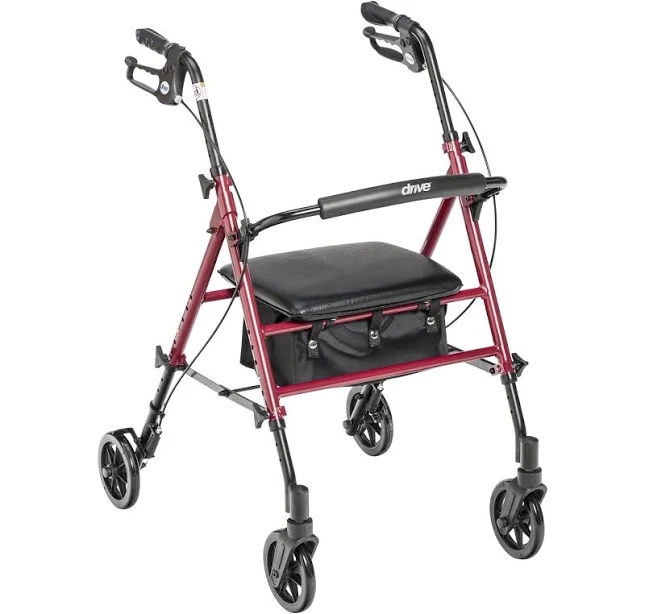
A rollator walker is a wheeled mobility aid designed to provide stability and support while walking. Unlike standard walkers that must be lifted, rollators glide on wheels and typically include hand brakes, a seat, and storage for personal items.
This guide explains everything you need to know before buying one.
What Is a Rollator Walker?
A rollator walker is a four-wheel or three-wheel mobility device designed to help people maintain balance and independence while walking. Most models include:
- Wheels for easy movement
- Hand brakes for safety
- A built-in seat for resting
- Storage basket or pouch
Because rollators roll instead of being lifted, they reduce strain on the arms and shoulders and make walking easier for many users.
Benefits of Using a Rollator Walker
1. Improved Stability
Rollators help people with balance issues walk safely and confidently.
2. Increased Independence
Users can move around without constant caregiver assistance.
3. Built-in Resting Seat
The seat allows users to sit whenever they become tired.
4. Convenient Storage
Many rollators include baskets or bags for groceries, water bottles, or personal items.
Types of Rollator Walkers
3-Wheel Rollators
-
Lightweight and compact
-
Great for indoor use
-
Easier to maneuver in tight spaces
-
Usually no seat
Best for: small homes or travel.
4-Wheel Rollators
-
Most common design
-
Includes seat and backrest
-
Greater stability
-
Suitable for indoor and outdoor use
Best for: everyday mobility.
Upright Rollators
-
Designed for better posture
-
Include forearm supports
-
Reduce pressure on wrists and back
Best for: people with back pain.
Heavy-Duty (Bariatric) Rollators
-
Wider seats
-
Stronger frames
-
Higher weight capacity
Some heavy-duty models support 400–500+ lbs.
Key Features to Consider
1. Weight Capacity
Most rollators support 250–350 lbs, while bariatric models support up to 500+ lbs.
Always choose a model that exceeds the user’s weight.
2. Rollator Weight
Typical rollators weigh 15–25 lbs, depending on frame material.
Common materials:
-
Steel: strong but heavy
-
Aluminum: lightweight and durable
-
Carbon fiber: ultra-light but expensive
3. Wheel Size
Wheel size affects where the rollator works best.
| Wheel Size | Best For |
|---|---|
| 6–8 inches | Indoor use |
| 8–10 inches | Indoor + outdoor |
| 10–12 inches | Rough terrain |
Larger wheels handle grass, gravel, and sidewalks better.
4. Seat and Backrest
If you plan to rest often, look for:
-
Padded seat
-
Comfortable backrest
-
Appropriate seat height
Your feet should rest flat on the ground when seated.
5. Height Adjustability
Handle height must match your body.
Your elbows should bend slightly (about 15–20°) when holding the grips.
6. Braking System
Most rollators use loop-lock brakes.
They work like bicycle brakes:
-
squeeze to slow
-
push down to lock when sitting
7. Foldability
A good rollator should:
-
Fold easily
-
Fit into a car trunk
-
Stand upright when folded
This is important for travel and storage.
Recommended Rollator Walker Examples


These examples show the typical range of rollators available—from affordable everyday models to premium lightweight carbon-fiber designs.
Rollator vs Walker
| Feature | Rollator | Standard Walker |
|---|---|---|
| Wheels | Yes | Usually none |
| Seat | Yes | No |
| Speed | Faster | Slower |
| Stability | Moderate | Very stable |
Rollators are ideal for active users, while walkers are better for maximum support during rehabilitation.
Who Should Use a Rollator?
Rollators are commonly used by:
-
Seniors with mobility issues
-
People recovering from surgery
-
Individuals with arthritis
-
Users who need frequent resting breaks
Common Mistakes When Buying
Avoid these mistakes:
-
Choosing the wrong height
-
Ignoring weight capacity
-
Buying wheels that are too small for outdoor use
-
Purchasing a heavy rollator that is difficult to transport
Typical Price Range
| Type | Price Range |
|---|---|
| Basic rollator | $80 – $150 |
| Mid-range rollator | $150 – $300 |
| Premium / carbon fiber | $400 – $1000+ |
Quick Buying Checklist
Before purchasing, ask:
-
Does the handle height fit me?
-
Can it support my weight?
-
Is it light enough to lift?
-
Does it fold easily?
-
Are the wheels suitable for where I walk?
✅ Bottom line:
A rollator walker is an excellent mobility aid that provides stability, independence, and a convenient place to rest. Choosing the right model depends on the user’s height, weight, mobility level, and where the rollator will be used.