


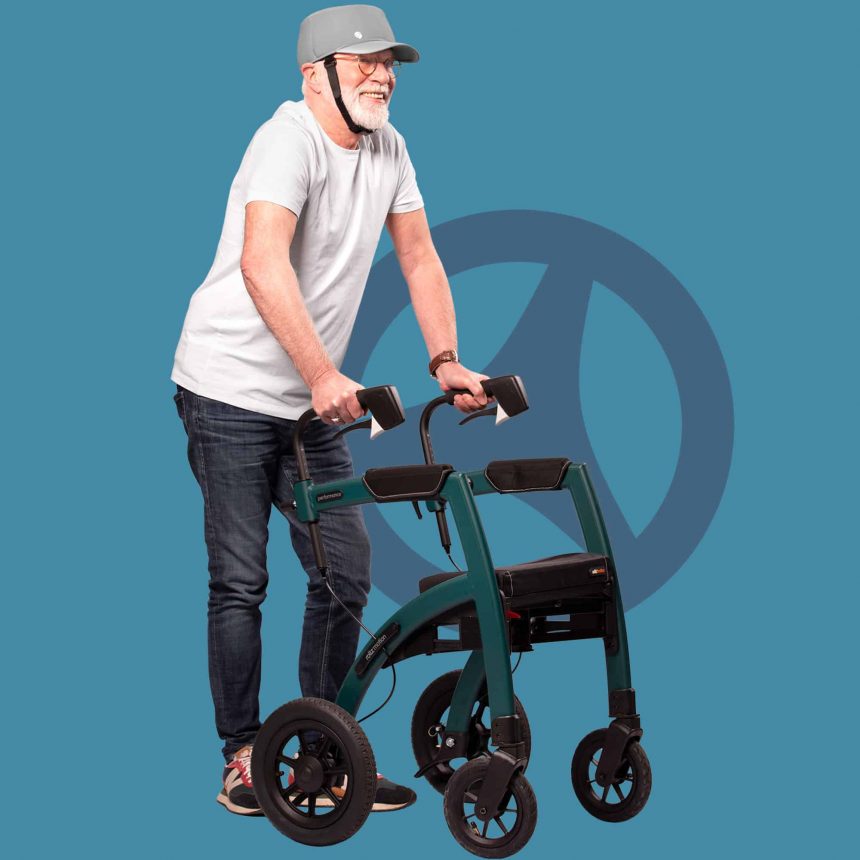
Rollator walkers provide excellent support and mobility indoors, but many users also rely on them when walking outside. Outdoor terrain can vary widely, so choosing the right rollator and using proper techniques is important for maintaining safety and stability
This guide explains how rollator walkers perform on different outdoor surfaces and offers tips for navigating each terrain with confidence.
Sidewalks and Pavement
Sidewalks and paved paths are among the easiest surfaces for rollator walkers.
Tips for safe use:
- Choose a rollator with 6–10 inch wheels for smoother movement.
- Keep both hands on the handles while walking.
- Use the brakes when stopping or resting.
- Be cautious of cracks, uneven sections, or raised edges.
Best rollator features for pavement:
- Medium to large wheels
- Lightweight frame
- Responsive hand brakes
Grass and Lawns
Grass can be more challenging because it creates extra rolling resistance.
Tips for safe use:
- Move slowly and maintain balance.
- Avoid wet or muddy grass.
- Use rollators with larger wheels (8–10 inches) for easier movement.
Helpful features:
- Wide wheels for better traction
- Strong frame for stability
Gravel Paths
Gravel is one of the more difficult surfaces for rollator walkers.
Tips for safe use:
- Walk slowly and carefully.
- Avoid loose or deep gravel areas.
- Keep weight centered between the handles.
Recommended features:
- Large wheels (10–12 inches)
- All-terrain rollator design
- Durable frame
Dirt Trails and Parks
Packed dirt paths can be manageable depending on the surface condition.
Tips for safe use:
- Check the path for rocks, roots, or holes.
- Use brakes on downhill sections.
- Consider a rollator designed for outdoor terrain.
Recommended features:
- Shock-absorbing wheels
- Durable aluminum or steel frame
- Comfortable handles for long walks
Hills and Slopes
Walking on inclines requires extra caution.
Safety tips:
- Always walk behind the rollator, never ahead of it.
- Use brakes lightly when going downhill.
- Turn sideways and take small steps if the hill is steep.
Snow and Ice
Rollators are not designed for slippery winter conditions.
Important precautions:
- Avoid icy surfaces whenever possible.
- Consider using ice cleats on shoes.
- Walk with assistance if the surface is slippery.
Choosing an Outdoor-Friendly Rollator
If you plan to use your rollator outdoors frequently, look for these features:
Large Wheels (8–12 inches)
Larger wheels handle uneven terrain better.
Strong Frame
Aluminum or reinforced steel frames provide durability.
Good Braking System
Reliable brakes help maintain control on slopes.
Comfortable Handles
Ergonomic grips reduce hand fatigue during longer walks.
A Final Thought
Rollator walkers can make outdoor activities safer and more enjoyable when used on the right terrain. By understanding how your walker performs on different surfaces and choosing a model designed for outdoor use, you can maintain independence while staying safe during walks in your neighborhood, park, or community.