


Keeping a rollator walker clean isn’t just about appearance—it’s essential for hygiene, safety, and long-term performance. Dirt, moisture, and debris can affect moving parts, while bacteria can build up on frequently touched surfaces like handles and seats.
- How Often Should You Clean a Rollator?
- What You’ll Need
- Step-by-Step Cleaning Process
- 1. Wipe Down the Frame
- 2. Clean the Handles (High-Touch Area)
- 3. Clean the Seat and Backrest
- 4. Clean the Wheels
- 5. Clean the Storage Bag or Basket
- 6. Disinfect Key Areas
- Cleaning Tips for Best Results
- Common Mistakes to Avoid
- Final Thoughts
This guide walks you through how to properly clean and sanitize your rollator walker.
How Often Should You Clean a Rollator?
- Light cleaning: 1–2 times per week
- Deep cleaning: Once a month
- Disinfecting (handles & seat): Daily or after heavy use
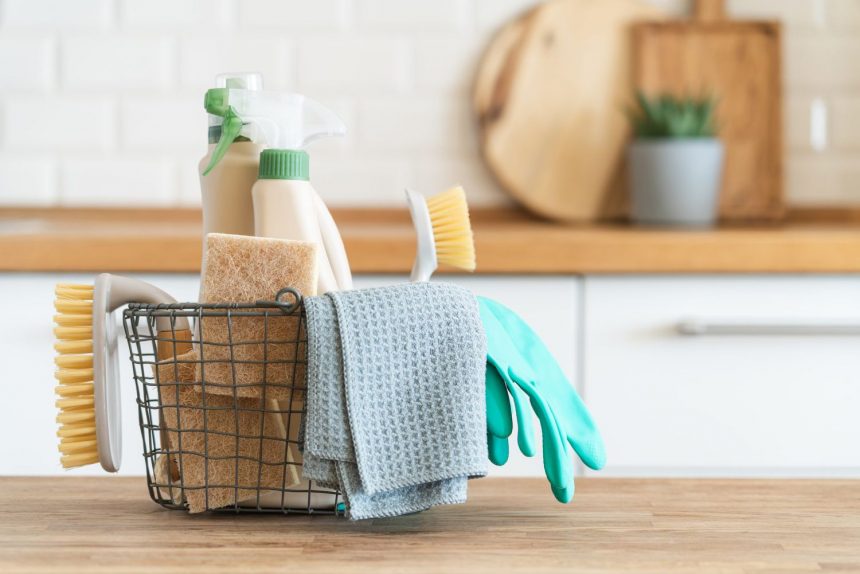
What You’ll Need
- Mild soap or dish detergent
- Warm water
- Soft cloth or sponge
- Disinfectant wipes or spray
- Soft brush (for wheels)
- Towel for drying
Avoid harsh chemicals like bleach or abrasive cleaners, as they can damage the frame or components.
Step-by-Step Cleaning Process
1. Wipe Down the Frame
The frame collects dust, dirt, and grime over time.
Steps:
- Mix warm water with mild soap
- Use a damp cloth to wipe the entire frame
- Pay attention to joints and folding areas
- Dry thoroughly to prevent rust
2. Clean the Handles (High-Touch Area)
Handles are the most frequently touched part of the rollator.
Steps:
- Use disinfectant wipes or spray
- Let the surface air dry for proper sanitization
- Repeat regularly, especially after outdoor use
3. Clean the Seat and Backrest
Seats can collect dirt, sweat, and bacteria.
Steps:
- Wipe with a damp cloth and mild soap
- For fabric seats, use a gentle cleaner
- Let dry completely before use
4. Clean the Wheels
Wheels often pick up debris that can affect movement.
Steps:
- Use a brush to remove dirt, hair, and debris
- Wipe wheels with a damp cloth
- Spin wheels to ensure smooth movement
5. Clean the Storage Bag or Basket
Storage areas can carry personal items and collect dust.
Steps:
- Empty the bag or basket
- Wipe or hand-wash if removable
- Check for tears or wear
6. Disinfect Key Areas
For added hygiene, disinfect regularly:
- Hand grips
- Brake handles
- Seat surface
This is especially important for shared rollators or medical environments.
Cleaning Tips for Best Results
- Dry thoroughly: Prevents rust and corrosion
- Avoid soaking: Excess water can damage parts
- Use gentle products: Protects finish and materials
- Clean after outdoor use: Removes mud, salt, and debris
Common Mistakes to Avoid
- Using harsh chemicals that damage the frame
- Ignoring the wheels (can affect performance)
- Not drying the rollator properly
- Skipping regular cleaning, leading to buildup
Final Thoughts
A clean rollator walker is safer, more comfortable, and lasts longer. With simple weekly cleaning and regular disinfecting, you can keep your rollator in excellent condition and ensure it continues to provide reliable support every day.